
VHH Antibodies for Difficult Targets
Functional VHHs for GPCRs, ion channels, and targets that challenge conventional discovery.
Scientific & Therapeutic Context
About Difficult Targets
Target landscape
While some targets, such as CD5, CD7, CD8 or EpCAM are considered more straightforward from a binder discovery perspective, others present significant biological complexity based on biology, membrane complexity and translational predictability. These targets carry a higher discovery risk. Understanding the underlying biological constraints allows selection campaigns to be tailored to each target, improving the likelihood of identifying binders with meaningful translational potential.
Key biological constraints affecting discovery for difficult targets
Epitope sensitivity
Example: CD28, PD-L1
Small differences in epitope location can result in markedly different biological outcomes, making it essential to identify binders that recognise functionally relevant regions rather than simply exhibiting high affinity. This makes biologically relevant selection and screening strategies particularly important early in discovery.
Membrane context and receptor accessibility
Example: CD20
Receptor orientation, membrane organisation, and local protein interactions can influence epitope accessibility, meaning binders identified against soluble proteins may not recognise the target effectively on the cell surface. As a four-pass transmembrane protein, CD20 adopts its native conformation within the cell membrane, where oligomerisation influences the presentation of clinically relevant epitopes. Screening against native cell-surface target presentation can therefore improve identification of functionally relevant binders.
Internalisation and trafficking biology
Example: CD71
For targets used in delivery applications, binding affinity alone is insufficient. Successful binders must also retain the ability to undergo receptor-mediated internalisation and intracellular trafficking in physiologically relevant systems. Incorporating internalisation assays early during triage is important for downstream success.
Post-translation modification
Examples: PD-L1, CD20
Glycosylation and other post-translational modifications can alter protein conformation and epitope accessibility, reducing the translational relevance of binders selected against non-glycosylated recombinant proteins.
Heterogeneous expression and membrane biology
Example: ROR1
Some targets, such as ROR1, can have variable tumour expression and native membrane presentation can influence target accessibility and binder performance. Screening across multiple cell-based models with differing expression levels helps identify binders with robust activity in biologically relevant settings.
Clinical durability challenges
Example: BCMA
Some targets that are relatively straight forward targets for initial discovery present challenges during therapeutic development. BCMA, for example, is a stable, single-pass transmembrane glycoprotein that expresses well and supports early discovery. However, soluble BCMA, generated through receptor shedding, can act as a decoy by binding therapeutic molecules before they reach tumour cells. In addition, low target density and antigen downregulation or loss have been reported as mechanisms of therapeutic resistance. Functional cell-based screening and the development of multi-specific therapeutics targeting BCMA alongside complementary tumour markers may help improve long-term clinical durability and reduce the risk of antigen escape. Together, these examples illustrate that difficult targets arise from diverse biological constraints, each requiring tailored discovery strategies that preserve native biology and prioritise functional relevance alongside affinity.
Implications for discovery
- Recombinant protein screening alone is insufficient for most difficult targets.
- Binding does not always = function, especially for immune receptors. In addition to CD28 other examples include checkpoint inhibitors such as PD-1 and CTLA-4 and cytokine receptors such as IL-2R, IL-6R.
- Cell-based and functional context screening must be considered early in selection campaigns.
Want to de-risk target presentation early?
Example selection campaign workflow
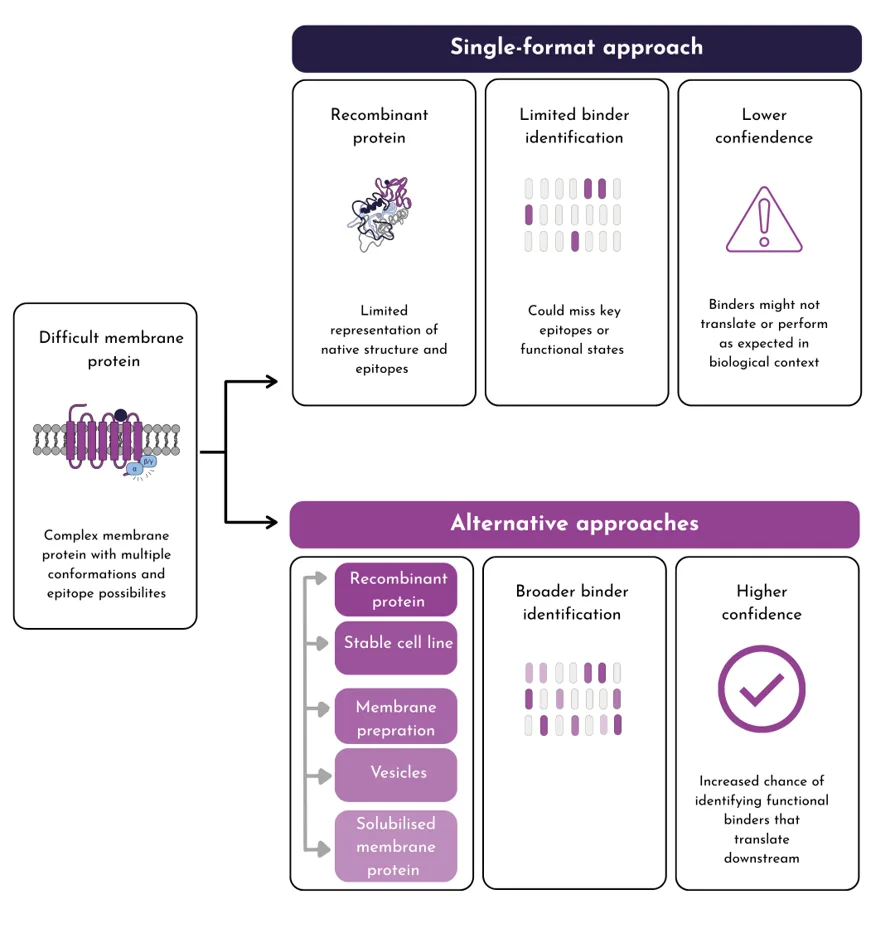
Figure 1. Workflow diagram of a classic strategy vs parallel selection approaches to discovery
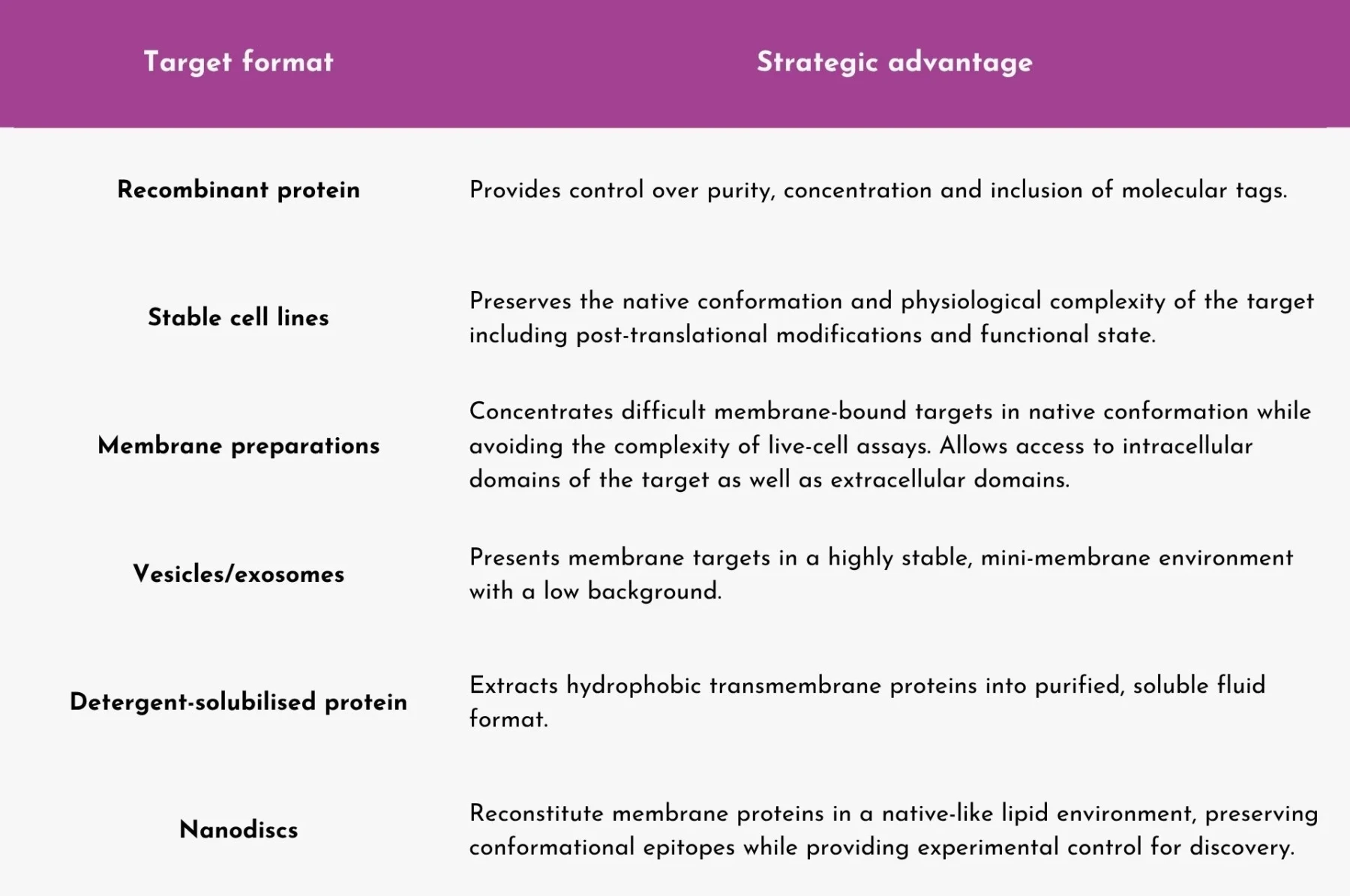
Table 1. Different ways to present targets during selections
Applications enabled by difficult target discovery
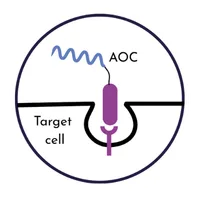
AOCs
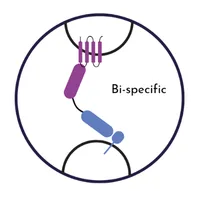
Bi-specifics
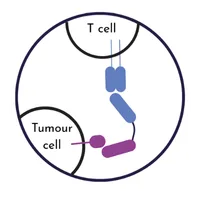
T-cell engagers

BBB delivery

Cell-selective delivery

Immune modulation

LNP targeting
Functional binders against complex membrane-associated targets are increasingly important for precision delivery and next-generation therapeutic platforms.
Why VHH Antibodies?
VHH single-domain antibodies are particularly well suited to binding difficult targets relevant to specific payload delivery, BBB transport and multi-specific therapeutic design:
- Their small size and single-domain binding enables access to recessed or conformational epitopes on membrane proteins;
- High stability allows screening against partially purified, detergent-solubilised, or non-native target preparations;
- Compatibility with in vitro discovery enables rapid iteration across target formats.
These properties make VHHs an ideal format for discovery against challenging antigens where epitope accessibility and target quality are uncertain.
How Isogenica De-Risks Difficult Targets?
Isogenica is structured to support parallel target exploration rather than single-shot discovery.
- Large, diverse synthetic VHH libraries allow broad epitope sampling;
- In vitro display technologies enable rapid selection without animal immunisation;
- Multiple target materials — including peptides, domains, extracellular loops, stabilized constructs, lipoparticles, live cells or membrane preparations — can be evaluated side by side.
This approach allows programmes to identify viable discovery paths early, eliminate unproductive formats quickly, and focus investment where the biology and assay performance align.
Key Advantages
- Parallel screening against multiple target materials
- Reduced risk when working with unstable or complex antigens
- Access to membrane proteins in biologically relevant conformations
- Faster go/no-go decisions early in discovery
- Improved probability of identifying functional binders against hard targets
Isogenica’s
VHH in bi-specifics
RESOURCES
When Hits Don’t Translate – Challenging Membrane Targets from GPCRs to CD3–TCR
Explore how target conformation, environment and presentation influence binder quality in challenging membrane targets, including GPCRs, ion channels, multi-pass proteins and CD3–TCR complexes.

Unlocking Hard-to-Drug Targets: How VHH Antibodies Overcome Drug Discovery Barriers
Today, the term ‘undruggable’ is being redefined. Advances in membrane protein solubilization, allosteric modulation, and therapeutic viral vectors have led to proof that these targets can be tackled. Read more
Our Partnerships
De-Risk Antibody Discovery Against Difficult Targets
Whether you are working on targeted delivery receptors, immune checkpoints or complex membrane proteins, Isogenica can help you explore multiple discovery routes in parallel — and identify the most viable path faster.